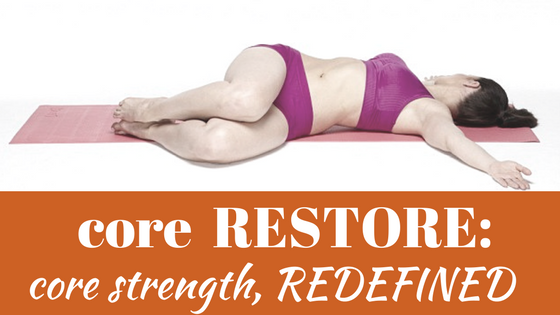
Last Wednesday I wrote about the
MOST IMPORTANT core exercise that we usually don’t do, unless, of course, we have insider info – the kind of stuff I shared with you last
week.
I also promised a bunch of super duper bonuses with that core exercise – things like becoming better at golf game, for example, and even lowering the blood pressure.
Spinal twist and better golf game … Ok, one can see a connection there.
But blood pressure and trim waist – how do these two link again?
Coincidentally, this is my absolutely favorite topic – not blood pressure per say, but body-wide connectivity.
In western medicine – and, in fact, in the entirety of our culture – we have created these artificial health divides. As anyone who has been
through the three ring medical circus knows, we approach illness and wellness in compartmentalized kind of fashion - something along these lines:
~ Want better cardiovascular heath? Make sure you do your cardio (it’s all in the name!) and go see a cardiologist should you have any issues. Oh, and take your baby aspirin.
~ Got mobility issues? Yoga and physiotherapy are your answers.
~ Digestive troubles? No problem, take probiotics and clean up your diet.
~ Feeling anxious? Sure, counseling and meditation would help.
Just one small snag with this kind of approach: the body has no idea that it has been subdivided into small parcels of land, so it still functions as a whole, entire, complete ecosystem. God forbid, your ailment (like most chronic things tend to) falls in the crack between the firmly established subdivision lines…
Missing Link
Case in point: spinal twist and blood pressure connection, and here is the missing link:
Most of us are aware that a waist measurement is commonly used as one of red flags for cardiovascular disease: a waist measurement that is equal to or less than the hip measurement removes a whole lot of stress
from cardiovascular system.
But why and how?
The smaller arterioles in all of your muscles suppose to be holding their fair share of blood, thereby reducing the pressure in the larger arteries. The tighter the muscles, the less blood they hold, and the higher your arterial blood pressure
is.
The abdominal aorta is most susceptible to plaque accumulation because the pressure there tends to be very high. It tends to be high, because most of us have a very tight mid-section as a result of excessive time we spend in hip flexion (sitting!), lack of rotational movements (as in twisting), and tension we have in our backs, buttocks and
hamstrings.
Tight abdominal muscles can’t aid your cardiovascular system in the way that they should, which is why a larger waist size is a risk factor for coronary heart disease.
Not exactly “take your baby aspirin and make sure to exercise 3 times a week” solution, I know.
But
if I had high blood pressure I would try this.
How about you?