FALL 2017 | Friday Round Up| Week 7 | Breath Week: Good. Bad. Ugly.

Published: Fri, 10/20/17

Hey ,


A quick note to those of you in Thursday classes:
There will be no classes on Thursday, November 10 (medical stuff, sorry you guys!)
A make up class is scheduled for Saturday, November 4, 2:30 - 4 PM.
An alternative option is to attend one of the Tuesday classes that (or any, really) week.
Phew, now off to the good things!


This week - as the title goes - is all about the breath.


Wait!


Breath is like water: whenever we see someone drink, we instantly remember that we haven't had a sip of water in a few hours. So before you tune out of what I have to say, and tune into your breath (which is actually our final goal - and the global goal of yoga), let's chat about our breath mechanics and breath awareness.


If you've read last week's round up about stress, you already know that regulating our breathing rhythm can help us shift from pain producing fight and flight reactivity to rest and digest mode.


I am going to be the devil's advocate and say this:


What if the very way that you are breathing on a daily basis is contributing to your pain levels,  structural instability, and emotional dis-regulation?


Here is what we are going to cover today: what it actually means to breathe well, and  how breathing well contributes to the things I just mentioned - pain levels {in Pain Care section}, moods, sleep, digestion, structural stability { in Core Restore section}


Now, as you know, I can drone on about breath forever. Let's watch a video instead!


Yes, it is in French - lucky you, francophones! - but you don't need to speak a word of this romantic language to understand what's up.


This video demonstrates beautifully what "full body breathing" actually means - and you can also see first hand how all of your body, the entirety of it, receives the breath.

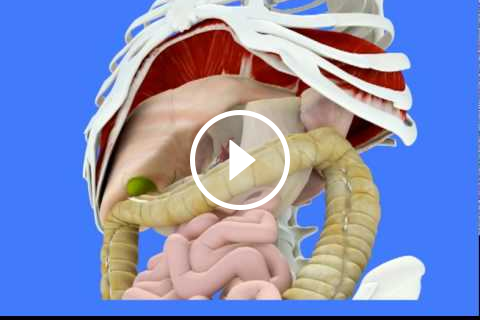

The common conclusion that most of us - general folk - arrive to after watching this video is that our breathing patterns are - pardon my French - pretty shitty.

But wait, before you jump in to judge your breath so harshly, consider this:


For most of us, breathing is an unconscious process, something that we don’t pay
attention throughout the day on the regular basis.


In an ideal world, our breathing system is malleable and elastic: it changes with the
demands of the body,
kicking breathing into a high gear whenever you climb a mountain or go for a run, and slowing it down when you are fast asleep.


In reality though, many of us get stuck in unconscious, unhealthy breathing patterns:


  • from the early age we subconsciously model our breathing habits after people in our environment – so if our mom or best friend is often anxious and unsettled, his or her breathing pattern will eventually rub off on us;

  • we hold our breath whenever we focus, in pain, or dealing with difficult emotions;

  • we try to look better / thinner so we suck our belly in and loose the capacity for full breathing

  • if our postural muscles are tight and tense all of the time, this will further limit our ability to breathe well.


Unfortunately breath holding and uneven breath patterns signal our brain and nervous
system that the physical body is in distress. Nervous system responds by flipping the adrenaline switch and sending our body into fight /flight mode - all because of uneven, shallow breathing.


Fight / flight mode creates more shallow breathing, and also changes our biochemistry – so hormonal and neurotransmitter levels change, and that change persists because of deeply ingrained thinking and breathing habits.


Unfortunately mechanical, forceful changes to the breathing pattern yield no results: neither our nervous system, nor our muscles are trained to accept the change - even if this change is for the better.


Furthermore, whenever we are unaware of the subtle tensions in our breath body, we layer forceful changes on to the top of already existing tension, creating - you've guessed it - more tension.


This is why I carefully choose the breath work we do in class - none of the usual, forceful changes so common in most yoga classes. We haven't even tried the Victorious Breath yet because it can easily create tension in the face, neck and shoulders.


I have attached a BREATH INQUIRY work sheet: this is a great place to start to get to know your breath.

 
See you on the mat!
Julia + SATORI YOGA TEAM