A super-quick reminder that fall-yoga PRE-REG sale is currently on.
And now over to the BREATH!
As you already know,
Upper body breathing places our center of gravity far off the ground - so we tend to feel less stable.
Diaphragmatic (lower trunk) breathing places our center of gravity closer to the ground - so we tend to feel more stable.
However,the most important thing to remember about human breathing apparatus is that it is built to be exceptionally adaptable.
A healthy, resilient respiratory system adjusts easily to the demands of our current situation - whether we are fast asleep or climbing a steep hill.
Trouble happens when we get stuck - either through postural tension, habits, or illness (like persistent pain or asthma, for example) - and lose this ability to adapt and respond with resilience!
Many of us - myself included! - habitually use neck muscles to initiate the inhale. This naggy habit can create lots of tension in the neck and upper body in general, leading to symptoms such as sore throat, congested sinuses, plugged ears, headaches, and shoulder issues.
Next week we'll take a look at the mechanics of breathing (and, of course, ways to improve them!) in some more detail to help us breathe better and feel more stable.
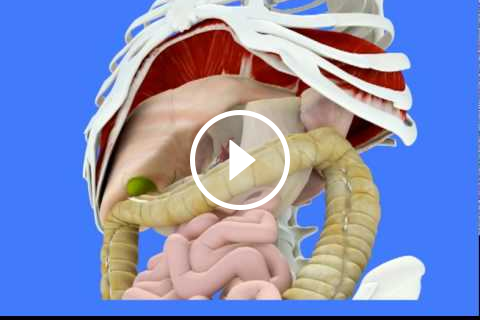
Below is the video of full-body breathing - watch it a couple of times before your next week's class (if you can!).